soft-edged stars
by Seth Frame
I lay on my back, looking up into the dark. The stars were thick above me, too many to count, a river of cold fire running the length of the sky. Every so often, one of them would move, a satellite, a meteor burning up far beyond my knowing, and I would follow its path until it vanished. The air was dry and still. Somewhere out in the scrub, a bird called once and went quiet again. I could smell dust, stone, and the faint sweetness of desert plants cooling for the night.
My glasses were tucked into one of my shoes beside me. Even blurred, the stars were beautiful—soft-edged, alive. I lay on a foam pad spread over a gray tarp, its corners weighed down with limestone rocks I'd gathered from the ground. The gravel pressed against the tarp beneath me, and I could feel the texture of it through the pad. I had chosen to sleep outside, not in the tent, not in the car. There were no walls, no ceiling, nothing between me and the world.
The day before, I'd tried sleeping in the car at the Three Rivers Petroglyph site in New Mexico. The night was calm, but the cold seeped into the car, into my bones as I slept. I'd woken stiff and cramped, unable to rest. Tonight was different. The weather had turned soft, surprisingly gentle for January in West Texas, and when I pulled into Guadalupe Mountains National Park, it felt like a reprieve. The sky was clear, the wind quiet. It was the third day of the new year.
I was on my way to Texas for a wedding—my ex-girlfriend's. We'd dated years before, grown up together in a way. I liked her fiancé; they suited each other. I was happy for her, truly. The trip itself had been my idea of a pilgrimage: a route through places of wonder. Great Sand Dunes. Taos Pueblo, where adobe buildings rose against snow-covered mountains, the place itself alive, a living thing set among the winter landscape. Three Rivers. White Sands: dunes made of gypsum that shone like sugar crystals in the sun, yucca trees rising between them in fantastical shapes. I'd walked barefoot out beyond the crowds, finding sand untouched except by wind. It felt like something out of a children's book, a place too strange to be real. Each stop was a marker, a pause, a way of beginning the year in awe. The Guadalupe Mountains were my final camp before heading east toward Plano, a small island of stone and light rising from the desert.
Lying there, I thought about how much space there was—the flat plains running out in every direction, the night air open and endless. My campsite felt like a refuge, an upland island in a plain of hot, dry desert. There was water here, and life. I was there on my foam mattress, a tiny raft on the shore of that vanished sea. I felt small but untroubled by it. The limestone under my tarp was made of ancient sea life, creatures that had settled into sediment millions of years before. I was sleeping on the floor of an ocean that no longer existed. Time collapsed beneath me. I felt it—how temporary we are, and how lucky to feel anything at all.
For a moment I wondered about mountain lions. I'd seen the warning signs posted near the trailhead. But the night was still, and fear never quite took hold. My body loosened, and I drifted in and out of sleep while satellites passed and stars flared out.
When I woke, it was the light that roused me, early sun reflecting off the limestone ridges above, pulling me slowly from sleep. The world was waking with me. Birds began calling from the brush. A slight breeze moved through the grasses, soft and deliberate. I decided the morning was worth staying for. I retrieved my glasses from my shoe, shook out my boots to check for scorpions or spiders, then lit the propane burner to heat water for coffee. I ate a granola bar standing there, watching Guadalupe Peak rise like an altar as its limestone face turned gold. The air was cool but gentle. My breath came out pale in front of me, then vanished. Everything was quiet except for the birds and the wind.
I remember thinking, I feel free. There were no barriers surrounding me. No roof, no walls, no noise but what belonged there.
That was a kind of freedom I've never felt again. Not because life has gone wrong—if anything, it's fuller now. I have responsibilities, people who depend on me. My days are shaped by love and purpose. But that night remains singular: an hour in my life when I belonged entirely to myself and to the earth beneath me.
I can see it even now, the mountain lit gold, the sky paling from indigo to blue. My vision is perfect now, surgically corrected, but I sometimes miss the blur. There was truth in it: the way the world softened, the way beauty didn't need to be sharp to be real.
That night was as radiant as the morning itself, golden and new. I haven't found that same freedom again, but I remember how it felt to lie beneath the open sky and know, without effort or doubt, that it was enough simply to be there.
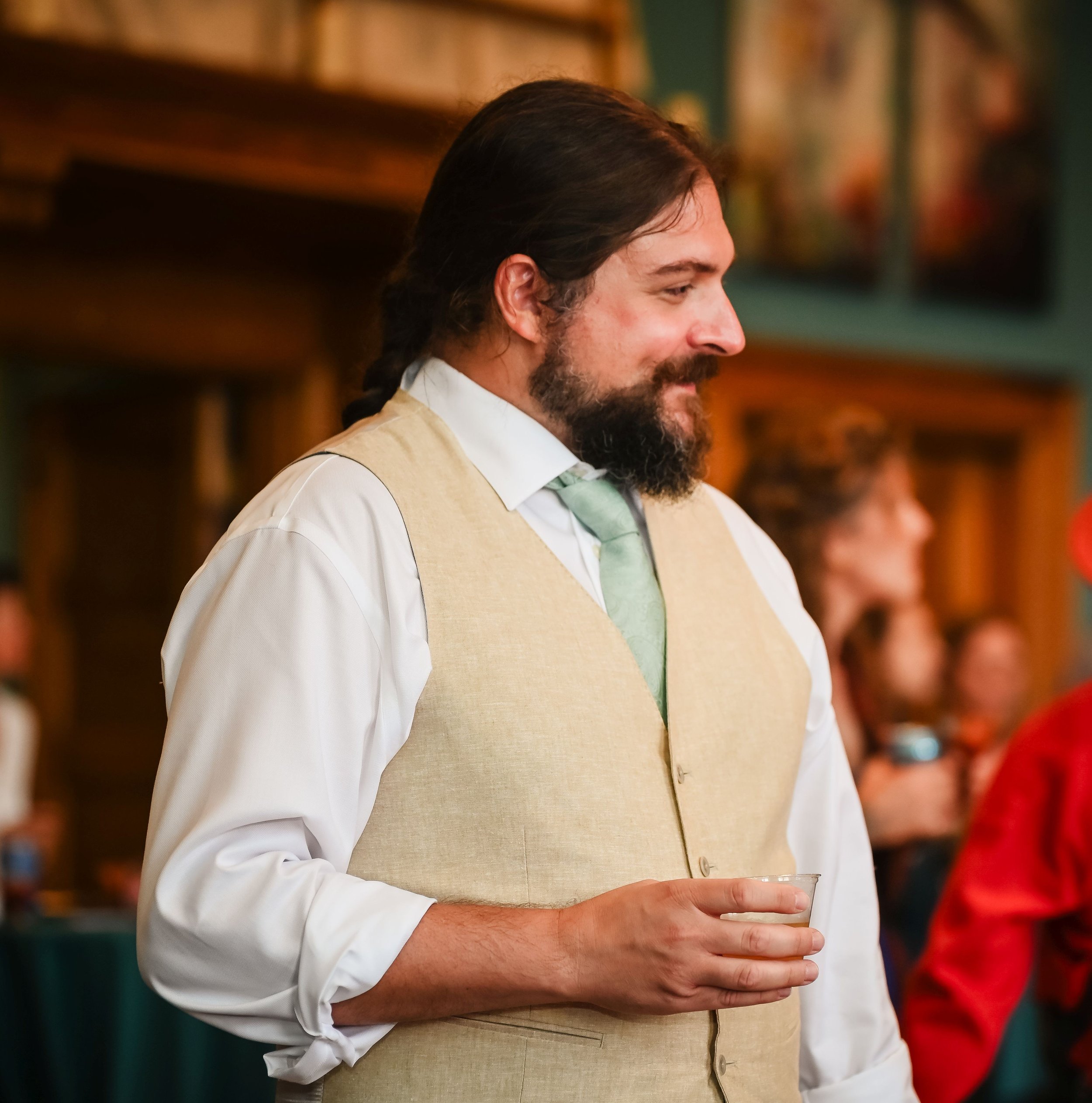
Photo fo Seth Frame
BIO: Seth Frame is a writer based in Schenectady, New York. His creative nonfiction explores themes of place, memory, and human connection, drawing on his background in archaeology and his years living in the American West.