by L. F. Graubard
I talked Norris into giving me a job as a Medical Assistant. Told him I’d impersonated doctors and talked jumpers off ledges. He knew I was lying. Hired me anyway. The Narco Farm didn’t vet people—it swallowed them.
That’s where I saw him again.
Ronald Pelton. Pale, soft voice, face like the uncle who teaches you chess and guilt. Not dangerous at first glance, but glowing underneath.
I knew him back when we sold computer systems we barely understood. Beige boxes. Dot‑matrix lies. Floppies stacked like unpaid debts. He seemed harmless. Until he wasn’t.
Georgetown, one night. French place with mirrors and low light. Pelton with a Russian girlfriend way out of his league. He played diplomat with a bad accent and a tip fat enough to buy another fantasy. I got loaded in the bathroom.
He slid into the banquette like he owned the joint. Waiters bowed. Cigarettes appeared. His date smiled like she’d been trained to.
Pelton flashed a badge and a gun. The maître d’ didn’t blink. I thought, here’s a man circling the drain, still pretending he’s the water.
Wine we couldn’t pronounce. Moscow stories told like weekend plans. He winked too much. Performed too hard. Everyone saw through him.
The red‑haired American leaned across the table and slipped his hand into her purse. She let him.
Pelton liked witnesses. He liked me watching.
He bought Dilaudid like roses—scripts slid across pharmacy counters with counterfeit confidence. Pharmacists nodded. Men in suits always got their pills. His real high wasn’t the drug. It was the fraud.
Broke and shaking, he walked into an embassy. No files. No paper. Just memory. An underwater wiretap nobody was supposed to know existed. He gave it away in fluent Russian, like ordering lunch.
Thirty‑five grand. A girlfriend in a safehouse. That was the deal.
The Bureau went hunting. Bugs everywhere. Nothing stuck. Ordinary men are the most dangerous—they blend.
Then the visit.
Six FBI agents in my conference room. My manager looked like he was about to read my last rites.
“How do you know Pelton?”
“He wired my wife’s office and smoked my stash.”
“You think he sold out?”
“If he did, take him to the woods. Skip the trial.”
Then the trap: “What advice would you give him?”
In my head, I wanted to toss condoms on the table—if you’re here to screw me, at least be safe.
What I said was worse.
“Sell to China,” I told them. “They pay better.”
Silence. The kind that makes your shirt stick to your back.
I tried to walk it back. “Forget it. We’re on the edge of nuclear war. If Ron’s selling secrets, shoot him.”
They left. Pelton didn’t.
Weeks passed. I forgot him the way you forget a bruise.
Then I saw his name on the hospital board.
He’d been admitted six weeks earlier—collapsed somewhere up north, transferred to our ward. Claimed low blood sugar. His scans said otherwise.
That night I was cleaning puke off a pulse monitor. The unlicensed trauma surgeon—Cold War eyes, lipstick like frostbite, wig that looked smuggled—argued dosage with a nurse who couldn’t spell Haldol.
Then Pelton seized.
Once. Twice. Locked up like a mannequin mid‑gesture. Arms bent wrong. Legs bolted to the gurney. Foam everywhere. Movements sharp, twisted, mechanical.
The monitor screamed.
She didn’t flinch. Pulled his tongue back. Padded the restraints. Checked his breathing with the precision of someone trained under collapsing regimes.
Then he spoke.
Russian.
Names. A city. Winter.
She froze.
Pelton’s eyes flickered open. “The children didn’t scream,” he said. “That’s how we knew.”
She slapped him. Not anger—extraction.
“You knew my father,” she said. “How?”
Recognition. Then fog.
I stood in the corner with bleach on my gloves, watching history shake itself awake.
The ward buzzed afterward. Seizure. Medication. Trauma. Inheritance. Everyone had a theory. None of them matched.
Two days later his bed was empty.
No paperwork. No explanation.
Just a tight sheet where the red‑haired American had been.
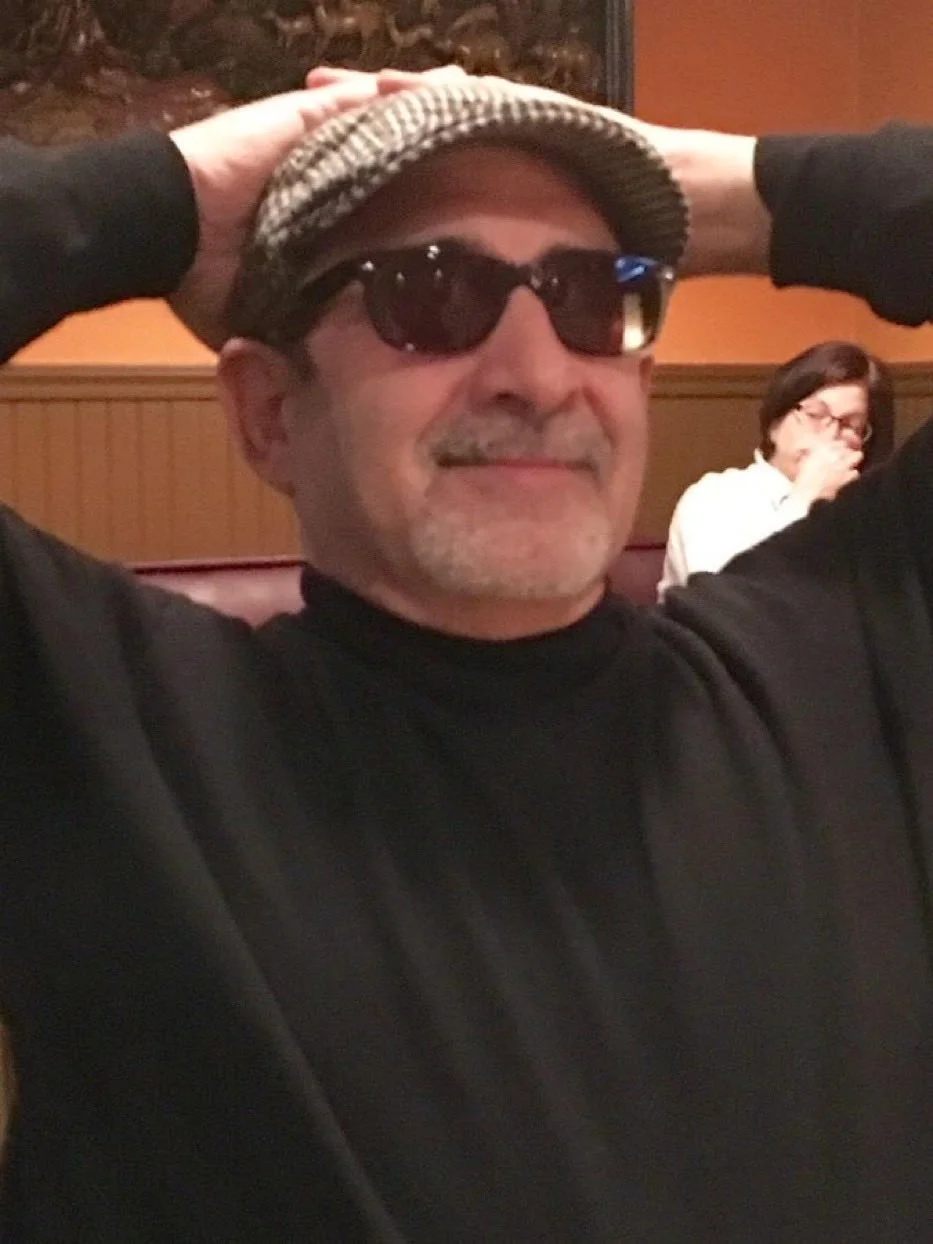
Photo of L.F. Graubard
BIO: L.F. Graubard writes existential-noir creative nonfiction and fiction about addiction, institutional absurdity, and the American shadowlands. His work appears in ExPat Press, and his story “The Insecticide Parade” is forthcoming in SmokeLong Quarterly (March 2026). A former jazz musician, he writes at the intersection of trauma, dark humor, and revolt.