by Akira Damian
I used to make my bed with hospital corners.
Line my shoes by color, by season, by the year I bought them.
I used to apologize when I sneezed.
The first sign was the smell.
I started smelling everything —
bread, doorknobs, the hair of strangers on the bus.
I wrote it in my journal: today I smelled him and wanted to open him.
Then I tore the page out.
I ate the page.
It tasted like nothing.
Everything was starting to taste like nothing.
My mother called on Sundays.
I let it ring.
I was busy cataloguing:
the weight of a kitchen knife versus scissors,
the acoustics of the apartment at 3 a.m.,
pressing the blade into the pillow
the way you press a name
you are trying to forget.
I hadn't done anything yet.
I want to be clear about that.
I was still clean.
Just thinking.
Everyone thinks.
The body started first.
The body already knew —
stopped eating anything with a face,
anything with color,
then anything at all
except black coffee
and the specific violence
of cold water on my teeth.
My hands looked different thin.
I held them up against the light
and saw the architecture — tendon and metacarpal,
the beautiful engineering of grip.
I practiced on fruit.
Then on meat.
The hands were always
smarter than the rest of me.
I stopped sleeping in the bed.
The floor was better —
harder, more honest,
closer to what I was becoming.
I dreamed of a face.
Not before. After.
The one that remains
without performance,
without social contract,
without the exhausting fiction
of being known.
I dreamed that face
the way saints dream of god:
with the whole body,
with the teeth.
I should tell you I was lonely.
I should trace the line neatly
from wound to wound
the way therapists do,
the way juries need.
But that would be
another kind of lie.
The truth is simpler and less useful:
I wanted to.
I looked at the world —
its noise, its smallness,
its insistence on continuing —
This is what I am, I thought.
Not the damage.
Not the story.
This.
By the end I was very light.
You can erase yourself if you commit —
eat less, sleep less,
speak only when the answer
is already decided.
I thought I might finally float free.
But the body is stubborn.
The body insists.
The hands remember.
I got in the car.
The city was dark and ordinary.
Both hands on the wheel,
like someone who has finally
stopped apologizing
for what she is.
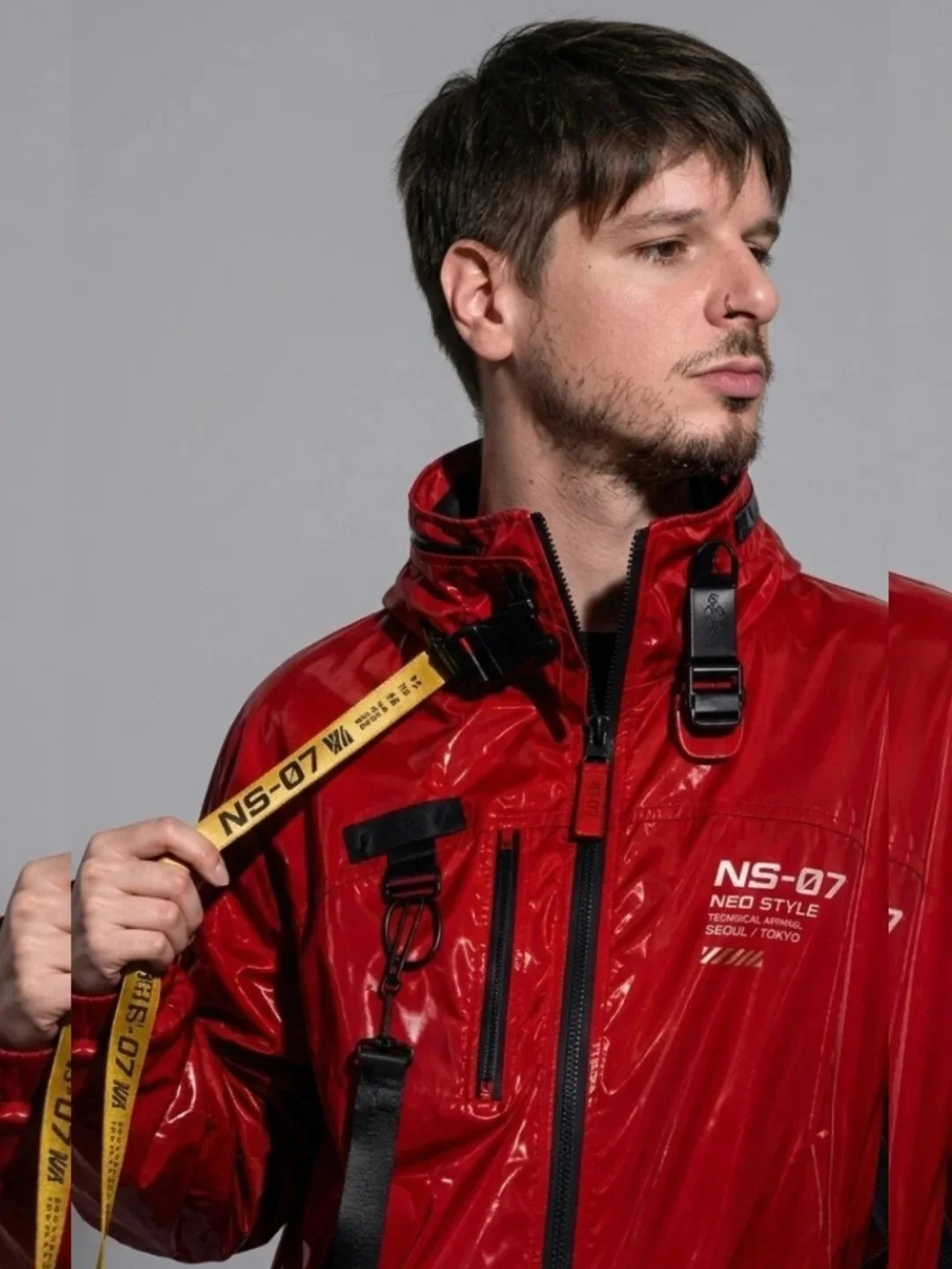
Photo of Akira Damian
BIO: Influenced early by Edgar Allan Poe and R. L. Stine, Akira explores the darker side of the human experience, forcing the reader to see themselves reflected in their own fears.