incident on a windswept hill
by Joe Kilgore
There are twelve rifles. Eleven contain a live round. A blank cartridge is in one. You have no way of knowing which resides in your weapon, initially or afterward. There is no difference in the recoil. The severity of the shot pattern masks any single bullet’s entry, or the lack of it.
Aiming anywhere other than the target marked over the heart is a punishable offense. Failure to discharge your weapon is a punishable offence. Each marksman is monitored individually to make sure he performs his duty. Failure to perform your duty is a punishable offence.
No one volunteers. You are chosen at random from the members of your company. You receive no explanation of what the condemned has done. You are summarily informed that he has been tried, found guilty, and you are to assist in carrying out the punishment.
You protest. You argue that this does not fall within your duties. Your protestations are ignored. You implore. You explain that you are a subpar marksman and your imprecision will result in embarrassment or worse. Your entreaties are denied. You cajole. You suggest that you would be willing to provide appropriate compensation for someone else to take your place. Your proposition is refused.
You fall in with the rest of the detail. You are led to the weapons rack where you are handed your rifle. You march single file to the top of the hill. A post has been anchored there. It is the most frightening inanimate object you have ever seen.
Your are put at parade rest. No talking is allowed. Sweat begins to form beneath the band of your helmet. The hand holding your rifle begins to swell and your fingers begin to cramp. Your legs feel leaden. Your knees ache. The saliva in your throat begins to sour. Your stomach tightens. You hope you will not faint.
You hear orders barked behind you. Sounds come closer. The tramping of boots. A metal clanking you don’t recognize gets louder as the footfalls grow near.
Your peripheral vision catches the approaching trio as they cross in front of your detail. There are two soldiers on either side of the prisoner. His hands are bound behind his back. His feet are manacled. You realize what was causing the unknown sound.
He is led to the appointed spot where his hands are momentarily freed, then pulled behind him and bound again with his back to the post. You can’t take your eyes off him.
He wears the same boots and fatigue trousers as you, but not the same tunic. A white T-shirt covers his torso. On the front, a large square has been inked on the left side of his chest. A chest which now heaves visibly. As if something inside is straining mightily to break out.
You stare at his face. It is younger than yours. His mouth is line thin. His chin specked with stubble. His nose runs. You wish someone had the decency to wipe it.
The eyes are blue. Blue as the midday sky. They blink continuously. You pray they won't settle on you. They do.
He is offered a hood. Please take it, please, you say to yourself. His head jerks in short, spasmodic quivers from side to side. The attendants fold it and take it with them as they move away.
Silence ensues. It feels like an eternity. Or heralds one. You know what is coming. And so does he.
Why won’t he look away? Why is his gaze fixed on you? Does he think you can help? Does he see a weak link? A kindred spirit? A faint, unreasonable glimmer of hope? Before you know it, your lips move slowly into the hint of a smile. An inadequate, yet sincere gesture of understanding. It is misconstrued. His expression tells you so. The eyes widen. The mouth begins to tremble. He thinks you are looking forward to it.
A voice shatters the stillness. The detail’s officer is asking if the condemned man wishes to say anything before the sentence is carried out.
Please speak. Please tell us you deserve this. That you are willing to accept your punishment. That you forgive us for what we are about to do.
No response. Just that continuing, quivering, dreadful stare that has begun to make you perspire as much as he. The officer waits a few seconds. Far too few. You hear him speak again.
Detail…attention!
You snap up straight. But you can’t look away. His entire body begins to shake.
Shoulder…arms!
No time. No time to think. Just react, comply. Blot all else out. But you can’t. You see the stain darkening his trousers.
Ready!
You lift your rifle automatically. What else can you do? You tell yourself it’s not your fault.
Aim!
Your barrel moves to that black square on the heaving white field. Don’t shake so much, please, stop shaking.
Fire!
Your finger moves as your eyes close. You don’t witness the impact. But you feel the recoil and hear the deafening retort.
The officer’s commands call you back. You shoulder your weapon, stand at attention, and look straight ahead as the lifeless body is removed.
For a moment, there is only stillness. Brilliant blue sky. Soft white clouds. Then a breeze sweeps across your cheek with a promise of absolution, until it also brings the smell of cordite.
The next day, your company receives word that hostilities have formally ended. You will be going home without ever having engaged the enemy.
Later, much later, when innocent youth full of anticipated adventure, dreams of glory, and of course, ignorance, ask if you ever saw combat, your answer never varies.
Yes, you say haltingly. But then you add, in a tone that always quiets further inquiry, that it’s really something you prefer not to talk about.
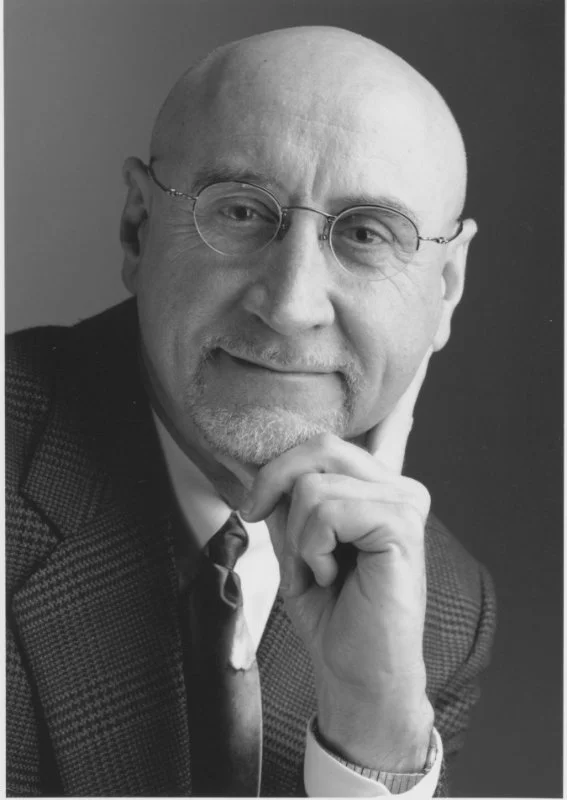
Photo of Joe Kilgore
BIO: Joe Kilgore is a multi-award-winning author of novels, novellas, screenplays, and short stories. He lives and writes in Austin, Texas. If interested, you can learn more about Joe and his work at his website: https://joekilgore.com. If compelled to contact or interact with him, you might try X.com@JoeKilgore13 or Facebook.com/joe.kilgore.98.