caliwashigon
by L. G. Reed
The coffee shop looked different as Rob Winkle approached it after a restful nap. A decaf mocha would hit the spot as it did every afternoon since moving back to his hometown. He distinctly remembered lace curtains, gingerbread woodwork, and a blue-and-white paint scheme. Today it was black and gray, with a brushed steel and glass door. Was this a dream? Maybe he was still on the couch, asleep.
He needed it to be the old way. The way it was when he was a teen, courting the prettiest girl in the junior class. They’d hid in a corner of the shop, holding hands and talking about the future over cups of hot chocolate.
Inside, the chintz upholstered chairs were now hard wooden seats with black metal backs. Artistically placed barn wood wainscotting covered the walls where pictures of the town's notables once hung. Gone was the welcoming feel of a familiar place.
They’d married the day after high school graduation and moved to a suburb of Chicago, Arlington Heights, where he took a job at the Chicago Tribune as a cub reporter. Life became hectic, and they didn’t have time to sit in coffee shops and talk.
Even the counter didn’t look right. Where was the sturdy lady who had owned the shop for as long as he or anyone else could remember? The skin on the back of his neck tingled with—what was it—fear?
“Where’s Ginger?” Rob asked when he reached the small counter under the ‘Order Here’ sign.
“What do you want?” growled the tattoo-covered young man who stood where Ginger should be. Rob frowned. The guy didn’t have to be rude about it.
“I’ll have a cup of the house blend of the day with non-fat creamer,”
“We only got one kind,” the man scowled.
What made the guy so angry? Rob wanted pleasant Ginger back. “I’ll have whatever you’ve got.”
He took the cup of steaming liquid, in a paper cup, not the ceramic mug he usually got, and walked over to a side table to doctor his drink the way he liked it, more cream and sugar than coffee. As he stirred the mixture, he glanced around. A group of older white men sat in the far corner. The one facing Rob stared at him, then whispered to his tablemates, who in turn twisted in their chairs to look in his direction. A flash of worry filled him. Something was off, but other than the décor, he couldn’t figure out what it was.
At the window table, sixteen or seventeen-year-old kids hovered, mobile phones in hand. They wore faded work jeans and dusty plaid shirts. The biggest kid got up and walked towards where Rob stirred his coffee. As the kid passed, he stuck out his elbow, bumping Rob’s arm. Hot liquid spilled over the cup’s edge and burned his finger. That hurt, so this couldn’t be a dream.
“Excuse me,” Rob said as he grabbed a napkin to dry his hands. Woodsy earth smells mixed with sweat and tobacco smoke surrounded the youth.
“Go back where you came from,” the youth said.
Rob stiffened and stood taller. “I don’t appreciate your tone. And, I was born and raised here.” He set the cup down on the counter to dab sweaty palms with the damp napkin.
The kid sneered. “I’ve lived in this town my whole life and I ain't never seen you.”
It was understandable. He’d been gone for a lifetime. Enough time to see two kids grow up, get married themselves, and move to opposite ends of the country. And too much time to watch his wife, Annie, wither away from cancer. And die. What had it been? Forty years?
A stern-looking man from the far table rose and headed his way. Good, thought Rob, adult reinforcements. Dressed in scuffed corduroys and an old denim shirt with patches on the elbows, the man stood next to the belligerent youth. A glower on his face.
“I don’t know you either, and we don’t like your kind here.”
My kind? Heat flushed Rob’s neck and face. What did that mean? He turned towards the condiments table to grab more napkins. His hands shook as he picked up his cup.
Unsure what to say and remembering an admonition from his mother to not say anything at all if you couldn’t say something nice, he headed outside to the patio. When Annie died, he came back. He would have bought his parents’ old house if it weren’t now the Walmart parking lot.
He found a sun-warmed chair, closed his eyes, took a sip, and spat it back into the cup. Instead of the sweet, milky concoction he expected, a bitter, muddy flavor coated his tongue.
“That’s chicory,” said a voice from the next table. Rob turned to see a man with short white hair and wire-rimmed glasses. He wore a yellow polo shirt under a tan zip-up jacket and crisp blue jeans.
“What happened to good old coffee?” Rob asked. The man chuckled.
“Not much left. With the buy American laws, it’s hard to come by.”
The man joined Rob at his table.
“John Penn,” the stranger said, and stuck his hand out to shake. Rob returned the man’s grip.
“Rob Winkle. What buy American laws?”
“Where have you been? First, it was the tariffs that made coffee unaffordable. Then employment dropped, and politics divided the country. The US government passed new restrictions. Buy American was one of them. Not the worst, but it’s to blame for your unsatisfactory cup of chicory.” John pulled a hip flask out of his back pocket and added amber liquid to his mug. He held it out to Rob.
“Whiskey. It’s the only thing I’ve found to make it tolerable.”
Rob held his cup out. Anything to help the taste. “You’re not from around here.”
John tucked the flask back into a pocket. “No, most definitely not. I’m traveling through what’s left of the good old USA to visit relatives down in Georgia.”
“What do you mean by what’s left?” Rob felt adrift. First, the coffee shop changes, and now the country?
“Where have you been, man? The country split. I’m from Caliwashigon. Southern part, down near San Francisco.”
“You mean California?” Rob asked.
“I guess you could say California still exists, but we don’t think of it that way anymore. It’s more of a confederation of cities and towns banded together. The US is a trading partner when it sees fit, but otherwise, we’re independent. Just share a border.”
John leaned back in his chair and took a deep breath. “Beautiful countryside here, is it all corn and soybeans?”
Little Lake had been a farming town when Rob grew up. Lush fields waved in the breeze, and kids took off from school to pick corn and beans, thinking they were getting away with something. From here to the county line the only tall buildings were the grain silos.
Over John’s shoulder, Rob saw a newspaper box and walked over to get one. The date at the top read October 10, 2028. No, that couldn’t be. He’d read the paper that morning, and it said 2025. Back at the table, he thumbed through the pages. An article on page three announced that riots in Pennsylvania required the National Guard to restore peace. The weather map on page seven didn’t include the West Coast. He looked up and pursed his lips.
John watched him with his brows drawn together into a crowd of wrinkles between his eyes. “You didn’t know all this?”
Rob shook his head. “I took a nap. Twenty minutes at most, and suddenly it's years later. How did that happen?”
“I don’t know my friend, but you didn’t miss anything except riots, protests, and a brief war for independence.” John swirled his paper cup, then drank the last bit and squashed it into a flat disk. He rose to leave.
“The West Coast seceded?” Rob asked, reluctant to let this source of information go.
John pitched the cup into a trash can. “Yep. We have a trade and military agreement with Canada. Hawaii joined on too. The US is now 46 states, and with Canada eyeing Alaska, it might drop to 45.”
Rob closed his eyes to quell the nausea in his gut. “I don’t understand. How could this happen?”
John chuckled. “Fascism, my friend. Fascism and authoritarianism. Like the proverbial frog in a pot on the stove. Protectionism drove tariffs and the Buy American I mentioned earlier. Then, the government banned everything produced outside the borders and companies led by non-whites. That’s when the West Coast built a force field and left the union. We have a lot of people, so when they cut federal funding, we didn’t suffer long. We’d been sending way more to Washington than we ever got back, so it didn’t make much difference financially. We have a jumble of people of all colors, religions, and persuasions. It’s not Nirvana or Shangri-La, but we still have a democracy. Can’t say the same for here.”
Three of the men left the cafe and passed them, their grumbles audible even as they walked across the street.
“Bet they’d be happier if they had real coffee,” John said, “but it comes from other countries and black labor to boot, double whammy.”
“How did this happen?” Rob asked.
“Several things. Your average Joe on the streets couldn’t tell the truth from fiction. Alternative facts were accepted as real. Loss of critical thinking skills is what I call it. Then there was the president. He threw the Constitution out with the bathwater, so to speak, and the courts didn’t stop him. Or if they did, he ignored them.”
A lump balled up in Rob’s chest and rose to his throat. “Is there any hope?” he asked.
John stood and pulled his jacket off the chair. “Glimmers here and there. You, for example, seem a rational person. If there are more like you, then perhaps there’s a chance for reason to return. In the meantime, I’m heading back to Caliwashigon just as soon as I check in on a couple of cousins that decided to stay.” He waved as he walked off.
Rob watched him vanish around a corner. He’d almost gone with the stranger if only to ask more questions. Maybe even see if he could move to this new country. Were things as hopeless as he said? Was there hope?
Through the window he saw the man sitting where his favorite chair had been. If he’d been gone for years, then perhaps it wasn’t his chair anymore and maybe this wasn’t his town either. No, that didn’t feel right. Maybe if he just talked with people, he could make them understand. He finished his chicory-whiskey blend and tossed the cup into the trash. Rob saw his reflection in the window. His “otherness” stuck out like Christmas lights in June, what with his dark skin, clean, stylish clothes, and long hair.
He could head west and try to cross the border into Caliwashigon, or he could stay. He took a deep breath and headed back in to talk with the man. Maybe Rob was the glimmer of hope the country needed. At least he’d try.
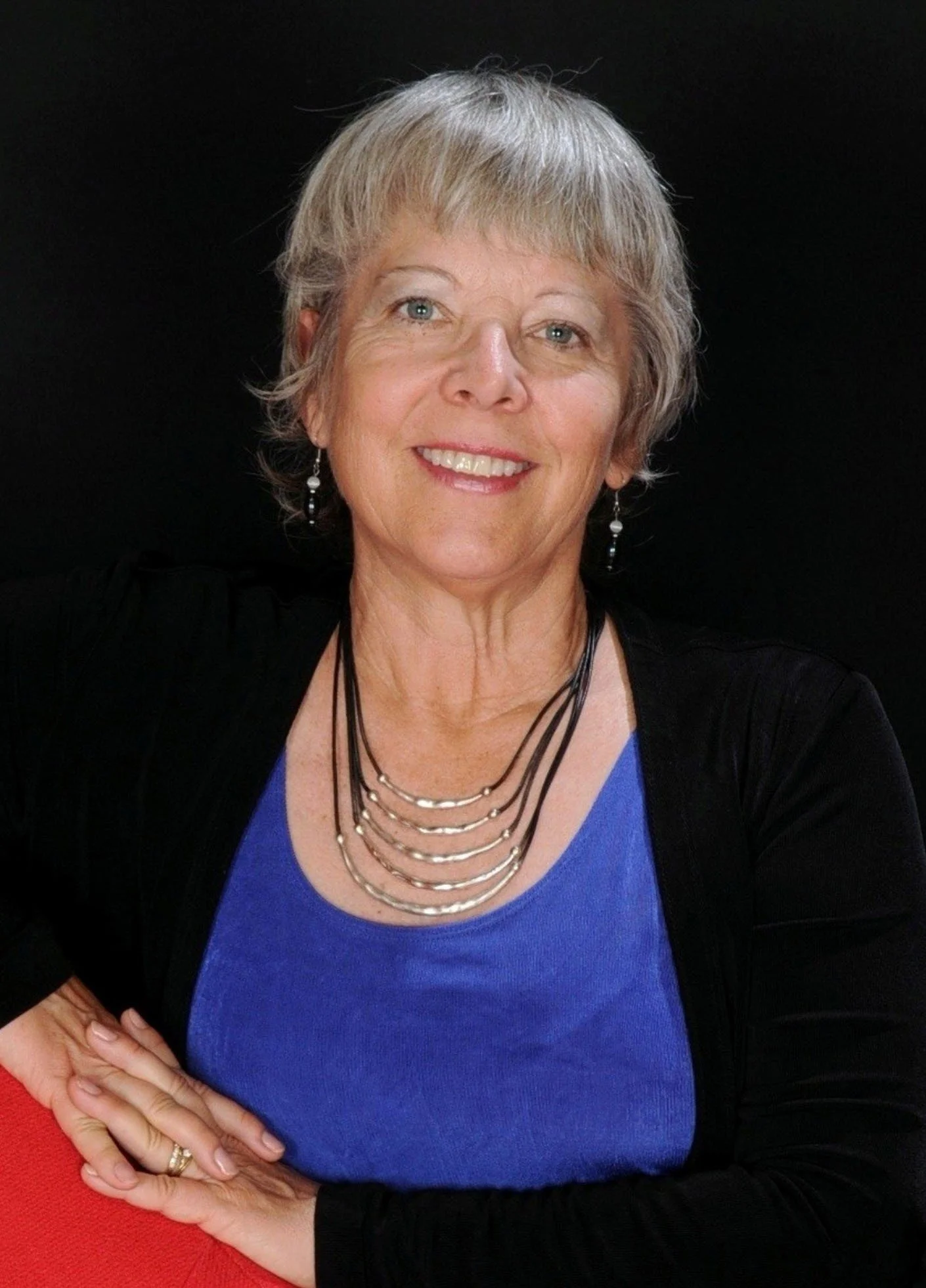
Photo of L. G. Reed
BIO: The writing bug bit L. G. Reed after winning a creative writing contest sponsored by The Detroit News in high school. Following a successful career as an advertising executive and aerospace engineer, she redirected her energy toward her lifelong passion for storytelling. Reed has self-published two middle-grade novels and one young adult book. She resides in California's Central Coast.