lahdi
by Michela Polito
It was a particularly hot and wet day at the shipyard, the day I met Lahdi. The air felt thick and heavy, both inside and outside the ships. The sun hung high in the sky, casting a harsh light that glinted off the metal surfaces of the ships and machinery. Lahdi was standing there, among the crew, in place of Kwame, our former supervisor. He was chatting with the others, while his dreadlocks struggled to burst out from beneath his helmet. When he smiled, a row of golden teeth glimmered in the sun and reminded me, for some reason, of the Tin Man from The Wizard of OZ, as if he were a helper character from a story brought to life amidst the grittiness of the shipyard.
We were there to sanitize the ships during COVID pandemic, mainly wiping down doorknobs and handrails. A surreal undertaking, but the job was paid well, and I was stuck in my green card process. So I took it. It was my weekend job. During the week I still had to work my green-card job.
As we approached the ships, the clanging of metal and the scent of saltwater mingling with the harsh odor of diesel was what welcomed us. Despite the lockdown, and unlike the office staff, shipyard workers and us still needed to show up regardless. The parking lot in the morning felt like a DJ Kool Herc block party, where rap mingled with salsa, and everyone had the chance to forget for a second that the world out there was falling apart.
Initially, during our breaks, we used to huddle under a huge, old shed on the side of the dry docks. Its shade gave us a break from the relentless sun and the heat on board, where there was no a/c, especially in the engine room, and caused people, multiple times per day, to pass out as mosquitoes.
In any case, the shed became a makeshift sanctuary where laughter and camaraderie flourished despite the grim background of the pandemic. We laughed at people’s concern about social distance, as we didn’t have a right to have any. When we started working at the shipyard, you couldn’t even find masks, so we simply used strips of fabrics. That meant that if any of us got sick, everyone else would follow.
As winter approached though, we were offered an office in one of the abandoned buildings for our breaks. The dust on the desks and the eerie silence, interrupted only by the runs of the rats under the roof, told tales of forgotten and yet close times, when life was still normal. Until it wasn’t.
This change of setting meant longer breaks and fewer rounds on the ships, allowing us more time to talk.
In our crew Corey was the one who sparked conversation. We dove into talks about relationships, spirituality, the times of slavery, cultural differences, patriarchism, mixed couples, and even God and the Bible, while we shared food, drinks, and air. We felt like a gang, a family, and a secret society.
I looked forward to the weekends, but the person I was actually looking forward to seeing was him: Lahdi. There was something about him. Maybe it was because he got my questionable sense of humor. Maybe it was his sunny, childlike face; or maybe it was simply that we’d always had each other’s back, as when I brought him a bag of magic mushrooms and instructed him to pick it up while the others and I were doing rounds on the ships. Or as when Austin, the project manager called us names and, in reply, we looked at each other and burst out laughing in his face. Or when he shared with me details of his past he might have negatively judged for. Whatever it was, it was one of those unspoken agreements that people sign in silence, and that trespass the barriers of time, place, race, and culture. This connection was what put an end to that constant feeling of non-belonging that had possessed me since I left New York. Could we be a couple? Could I overcome his golden smile? Or was it a red flag for a cultural gap ultimately too deep to fill out? I hadn’t been able to answer that question. Until Spring arrived.
We were walking on the sidewalk on McMillan Avenue on a Sunday afternoon. We had just left work. The others were ahead. It was early April. We were debating whether to get a slice in Park Circle or to go home. The others couldn’t join us; it was only me and him. He was shy. A car passed by. Abruptly, but also softly, he took me by my arm and gently, but firmly, he switched side. It wasn’t because of the chivalry. It was the electricity that touch gave me. It was as if a thunderbolt had hit my mind, sending a jolt of awareness through my entire being. I shivered and kept walking, without saying a word, feeling like the pinball machine that had just hit the right spot, all the lights flickering.
Perhaps he sensed that surge of current that passed between us. Maybe it was what gave him the boldness to step out of his shyness. Whatever the reason, without turning his gaze to me, he said, “Pizza in Park Circle.” His tone snapped into something bordering to a command, which amused me. I couldn’t hide a smile.
As I smiled, he finally turned his gaze toward me, and we made eye contact for just one second. Then he looked straight ahead again, but he was smiling too.
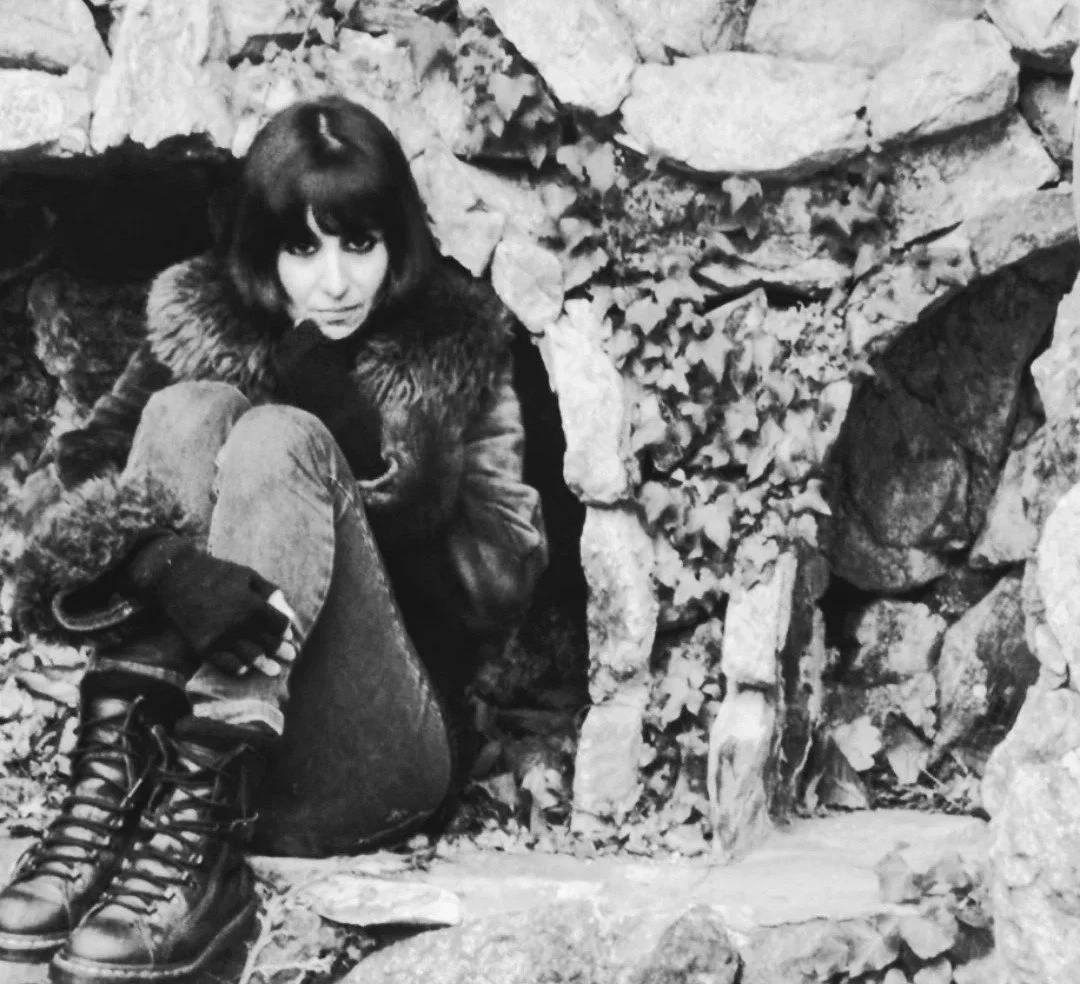
Photo of Michela Polito
BIO: Michela Polito is an MFA alumna of the College of Charleston. Her first novel, Nico, was published in 2021 by the Italian indie publisher WomenPlot, and her work has appeared in the Italian collective blog Nazione Indiana.